

The Journal · Society
Our Grandmothers Taught Us to Survive. Now We Must Learn to Build.
The women who carried our families on their backs often reach old age with nothing to lean on. What would it take to change that?
 Pat Ricia7 November 20265 min read
Kana wakakurira muZimbabwe, if you grew up in Zimbabwe, you know there was always that one woman in the family who made things happen. Even when money was nowhere to be found, somehow school fees got paid, food appeared on the table and life went on. You didn’t always know how she did it. You just knew she would find a way.
For me, that woman was my grandmother.
I think about her almost every day. Not simply because I miss her, but because so much of the woman I am today was shaped by watching her live. My strength, resilience, work ethic and enterprising nature didn’t come from a textbook. I learned them by watching her raise me, provide for us and make something out of very little. That was my Shava.
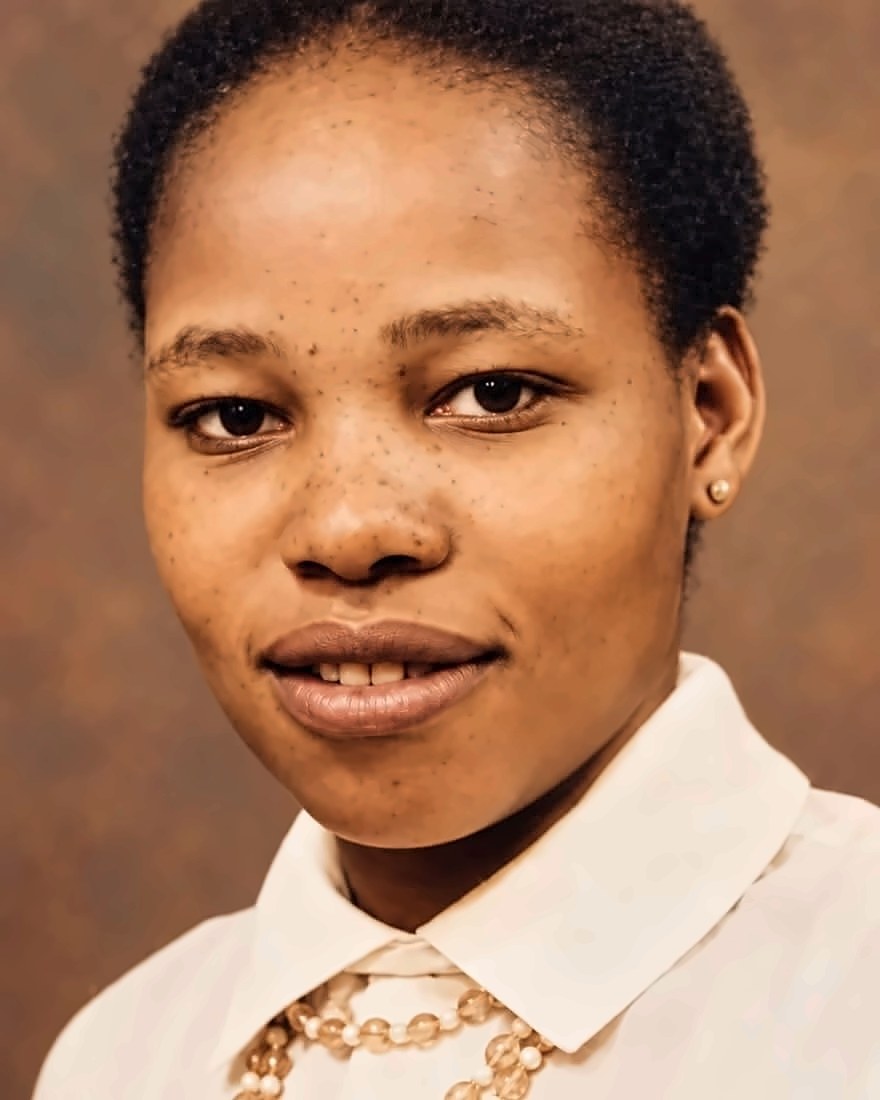
As I wrote in my last piece, she was a cross-border trader: a businesswoman long before I understood the word entrepreneurship. She knew her customers, understood her market, managed money and took risks. All without the fancy business terminology we throw around today.
And Zimbabwe is full of women like her. Women who have traded for decades, educated children, built homes and carried entire families on their backs.
But something troubles me
Why do so many of our people work so hard, sometimes running businesses their entire lives, yet reach old age with little financial security?
Let’s be honest: retirement in Zimbabwe is a complicated conversation. We’ve seen what inflation and currency changes have done to people’s savings and pensions. People who worked for decades have watched the value of their retirement money disappear. Now imagine the informal trader who never had an employer contributing towards a pension in the first place.
We celebrate the woman who wakes up at 4am to sell vegetables. But what happens when she’s 65 and her body can no longer manage those early mornings? Who looks after her? Must she depend entirely on her children, who are probably struggling to raise families of their own?
Or is our retirement plan simply to keep hustling until our bodies give up?
I don’t say this to criticise anyone. I know what that work looks like because I was raised by it. And I know that even those who tried to save have sometimes been failed by circumstances beyond their control.
Small, practical steps
Perhaps it’s time we changed how we think about small businesses. Not everyone needs to build an empire. Sometimes progress means keeping proper records, separating business money from household money, building savings in ways that account for inflation, and gradually growing a business that can support us beyond our working years.
Small, practical steps towards greater security.
And government must play its part. If we’re serious about formalising informal businesses, registration and taxes must come with real benefits: affordable trading spaces, access to finance, and reliable social protection that ordinary traders can actually afford and trust.
We cannot formalise people’s obligations without formalising their opportunities.
What are we modelling for the next generation?
My grandmother taught me to work hard, persevere and never surrender to difficult circumstances. I treasure those lessons. But perhaps our generation needs to build on them by teaching our children not only how to earn money, but how to manage it, grow it and create something sustainable.
And I’m learning too. I’m still figuring out what it means to build something that can outlive me. I certainly don’t have all the answers.
But I do know that my grandmother gave me an extraordinary foundation. The question now is what I’m doing with it, and what I’ll leave for those coming after me. Surely each generation should have the opportunity to move forward, rather than starting the same struggle all over again.
Our grandmothers taught us how to survive. Perhaps our responsibility is to teach the next generation how to build beyond survival.
And maybe that’s where generational wealth truly begins. Not necessarily with millions in the bank, but with knowledge, opportunity, good financial habits and something meaningful to pass on.
About the author
Pat Ricia is a Zimbabwean writer and entrepreneur based in the UK, writing about faith, purpose, womanhood and intentional living. Read her story.