

The Journal · Society
My Grandmother Was a Cross-Border Trader. Today, I Wonder Where She Would Earn Her Living.
When I read about vendors being moved on and migrants being targeted, I don’t just see headlines. I see the woman who raised me.
 Pat Ricia7 November 20266 min read
I have been following developments in Zimbabwe and neighbouring South Africa, particularly the treatment of informal traders and foreign nationals. Perhaps these stories affect me more deeply because, for me, they are not just headlines. They are personal.
I was raised by my grandmother. And my grandmother was a trader.
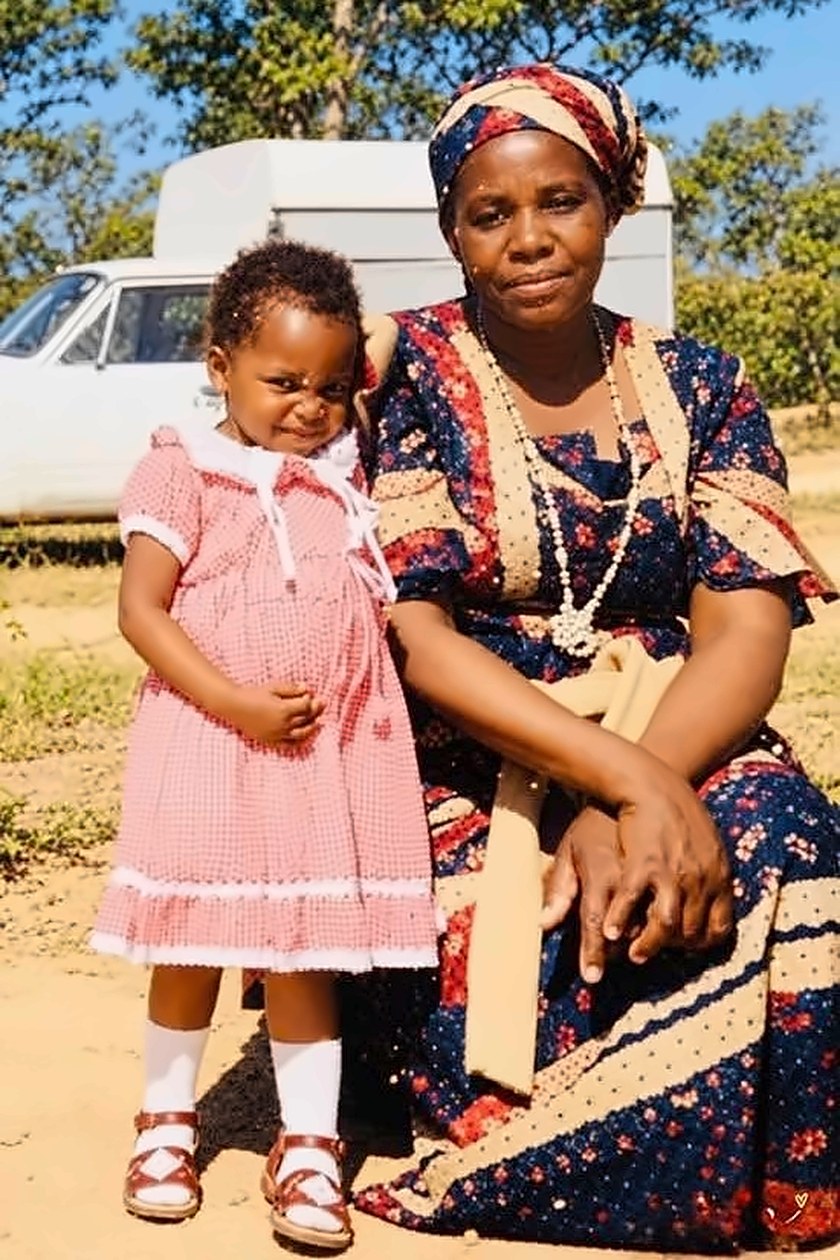
She was a trader
She wasn’t a corporate executive. She didn’t have a fancy office, a guaranteed salary or a pension waiting for her at the end of the month. She was a cross-border trader who travelled to South Africa, sold her wares on the streets of Johannesburg and worked tirelessly to make sure her family survived.
That was our livelihood. That was how we ate, dressed and got through life. Before I understood economics, government policy or unemployment statistics, I understood what it meant for a woman to work hard simply to put food on the table.
So when I see what is happening today, I don’t just see vendors. I see my grandmother.
I see women whose small businesses are entire families’ lifelines. I see children waiting at home for someone to return with enough money for supper. I see the sacrifices behind what society so casually dismisses as kutengesa mumigwagwa, selling on the streets. And I ask myself: if my grandmother were alive today, where would she go?
Order and dignity are not opposites
In South Africa, we continue to witness disturbing incidents of anti-migrant hostility. Back home, Zimbabwe is tightening regulations around informal trading, with vendors facing restrictions and relocation. The circumstances are different, of course, and I am certainly not suggesting that cities should operate without rules. We all want clean, orderly and functional cities. But surely order and human dignity should not be mutually exclusive.
You cannot celebrate entrepreneurship in conference rooms while treating the woman selling her wares as a nuisance.
You cannot celebrate entrepreneurship in conference rooms while treating the struggling woman selling her wares as though she is a nuisance to society.
This is where I think our conversation as Zimbabweans needs to mature. We cannot keep celebrating our people’s resilience without asking why so many must rely on extraordinary resilience simply to live ordinary lives.
My grandmother wasn’t asking for special treatment. She was earning a living. Like countless women in Mbare, Chitungwiza, Highfield, Glen View and communities across Zimbabwe, she was doing what she could with the opportunities available to her.
Perhaps that is why I struggle when discussions about informal traders become so dismissive. Behind every stall is a human being, sometimes an entire household. Sometimes a little girl being raised by her grandmother, like I was.
What we could build instead
But empathy alone will not solve this. If authorities want vendors off the pavements, then let us create properly serviced, affordable markets where customers can actually find them. Make registration simple, protect traders from exploitation and create meaningful opportunities for small businesses to grow.
If neighbouring countries have legitimate concerns about immigration and employment, those concerns deserve lawful, practical responses. But intimidation, xenophobia and violence should never become substitutes for governance.
And Zimbabwe itself must confront an even harder question: why are so many of our people forced to seek economic survival beyond our borders in the first place?
I want us to move beyond outrage and ask what we are building. Not just for investors, politicians or the already comfortable, but for the grandmother selling her wares, the mother running a market stall and the young person trying to turn a small hustle into a sustainable business.
These are not disposable people. They are the very people who have kept families and communities alive through some of our country’s most difficult years.
A country that honours her
My grandmother is no longer here, but I often think about how much of my life was made possible by the work of her hands. And when I look at women trading today, I wonder how many future doctors, entrepreneurs, teachers and leaders are being raised on those same pavements.
Before we dismiss a vendor as a problem, perhaps we should ask how many lives are being held together by that little business.
I am not asking for pity for the ordinary Zimbabwean. I am asking that we take them seriously: their work, their contribution, their dignity and their right to pursue an honest living without being humiliated.
Because my grandmother may never have had a corporate title, but she built something far more important. She built a future for us.
And surely, a country should know how to honour people like her.
About the author
Pat Ricia is a Zimbabwean writer and entrepreneur based in the UK, writing about faith, purpose, womanhood and intentional living. Read her story.